Africa
Project context
Limited access to water and water sanitation are two of the core challenges Zambia currently faces. In Lusaka, the country’s capital, 70% of the population doesn’t have proper sanitation infrastructure, which has serious health and economic implications for communities and businesses.
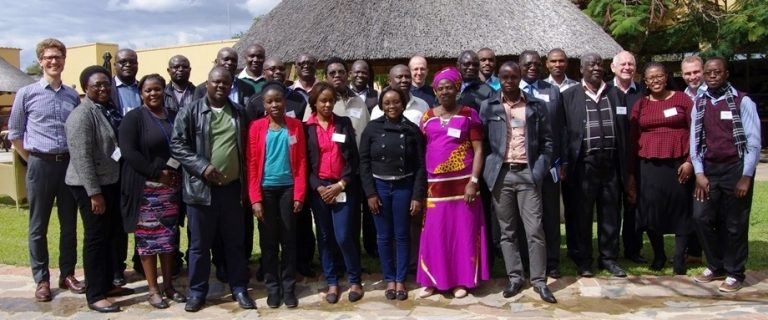
In 2016-2017, CLI worked closely with GIZ’s International Water Stewardship Programme (IWaSP) and local Zambian leaders from across sectors to establish the Lusaka Water Security Initiative (LuWSI) and to work toward a vision of a water secure, healthy, and prosperous city. CLI supported the involved actors by building multi-stakeholder collaboration and dialogue capacity, co-designing the roles and responsibilities of key structures – such as the Steering Board, Technical Working Group, and Secretariat – and co-facilitating their initial meetings.
One capacity building, “Collective Leadership for Water Security: Strengthening water stewardship partnerships for achieving common goals” was organized in nearby Uganda for Zambian actors, plus those from 8 other IWaSP countries.
In cooperation with IWaSP Headquarters in Germany, CLI co-designed and integrated the Collective Leadership Compass into the Water Risk and Action Framework (WRAF), a guide for practitioners for forming and executing water stewardship partnerships. The framework supports individuals, teams and organizations to build vibrant and robust “collaboration ecosystems” that achieve water security goals in diverse contexts.
